Why Your Restaurant Needs a Professional Hood Cleaning Service
Running a commercial kitchen means juggling a dozen things at once. You worry about food quality, staff scheduling, and customer satisfaction. But the grease hood above your cook line is one of those things that can quietly become a hazard if you don't give it regular attention. I have spent years working with kitchen exhaust systems, and I can tell you that a reliable hood cleaning service is not just a line item on a maintenance checklist. It is a cornerstone of fire safety and compliance.
The first time I walked into a kitchen that had not seen a proper cleaning in months, the smell hit me before I even reached the hood. The grease buildup on the hood filter and inside the exhaust system was thick enough to scrape off with a spatula. That is a fire waiting to happen. Restaurant fires are often traced back to neglected grease hoods, and that is where NFPA 96 comes in. This standard sets the rules for how often and how thoroughly you must clean your kitchen exhaust system. Ignoring it can lead to failed inspections, fines, and worst of all, a fire that could have been prevented.
What NFPA 96 Means for Your Kitchen
NFPA 96 is the national standard for fire safety in commercial kitchens. It covers everything from the design and installation of your exhaust system to the cleaning frequency required to keep it safe. The standard demands that all visible grease, including what is on the hood, hood filters, grease duct, exhaust fan, and even the grease trap, must be removed to bare metal. That phrase "bare metal" is key. A quick wipe-down that leaves a film of grease behind does not count. You need a thorough kitchen exhaust cleaning that reaches every surface where grease can accumulate.
When I work with kitchen owners, they often ask how often they need to schedule a hood cleaning service. The answer depends on how much cooking you do. A busy restaurant that runs a charbroiler or deep fryers all day may need cleaning every month. A lighter operation, like a bakery or a coffee shop, might only need it quarterly. NFPA 96 provides a baseline, but your fire inspector can tell you the specific frequency your local fire code requires. I have seen kitchens that tried to stretch the interval and ended up with a failed inspection, which costs time and money to correct.

The Hidden Risks of Grease Buildup
Grease is not just unsightly. It is highly flammable. When it builds up inside your grease duct or on the exhaust fan blades, it creates a fuel source for a fire. If a grease fire starts in your cooking area, it can spread rapidly through the exhaust system, fed by the layer of grease inside. That is why fire suppression systems, like those certified under UL 300, are required. But a suppression system can only do so much if the ductwork is coated in thick grease. The system is designed to extinguish flames, but it cannot overcome a massive fuel load.
I once consulted for a restaurant that had a small fire on the grill. The fire suppression system activated, and the fire was out in seconds. But the owner called me because the fire inspector had noted that the exhaust duct had not been cleaned in over a year. The suppression system worked that time, but the grease buildup could have turned a small flare-up into a full restaurant fire. That experience convinced the owner to schedule a professional hood cleaning service every two months, no exceptions.
What a Thorough Cleaning Involves
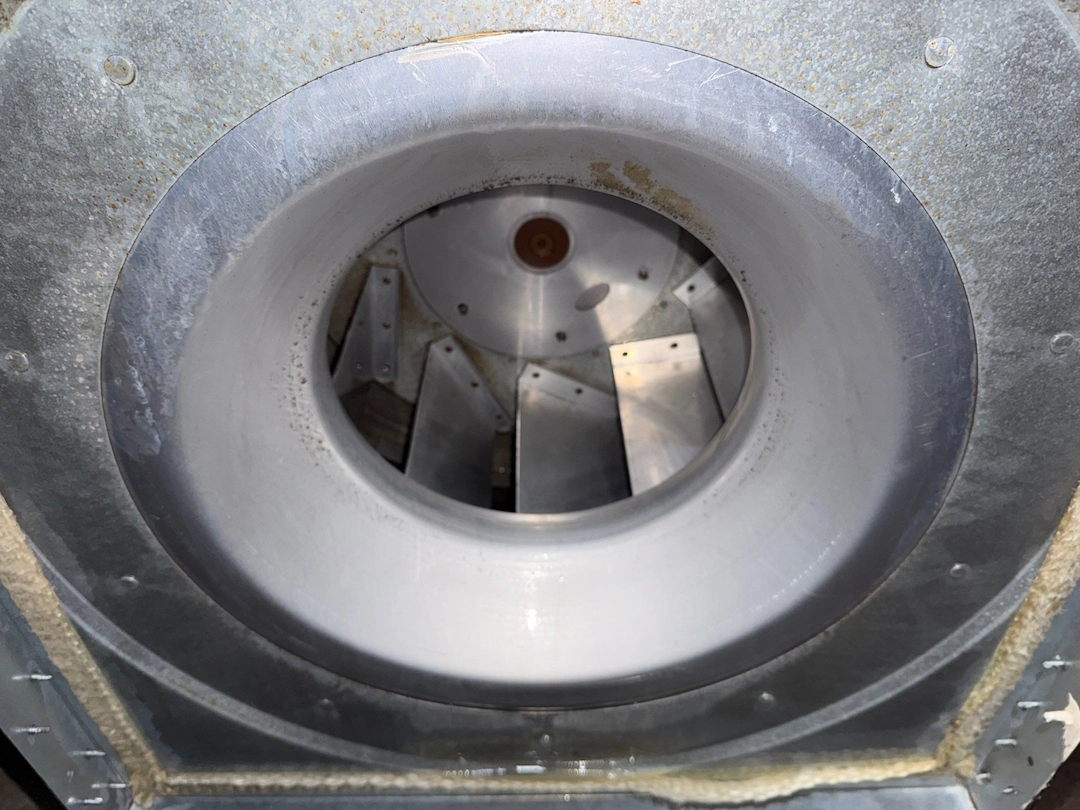
A proper hood cleaning service goes far beyond wiping the hood filter. The technician will remove all hood filters and soak them in a degreasing solution. Then they clean the interior of the hood itself, the grease duct from top to bottom, the exhaust fan blades, and the housing. They also clean the grease trap and any other accessible parts of the system. The goal is to leave every metal surface looking like bare metal, with no trace of grease buildup.
Good hood cleaning equipment makes a difference. Professionals use high-pressure hot water, specialized degreasers, and tools designed to reach into tight spaces inside the ductwork. They also wear proper safety gear, because the chemicals and the grease itself can be hazardous. When you hire a hood cleaning service, you are paying for expertise, equipment, and the peace of mind that comes from knowing the job is done to NFPA standards.
After the cleaning, the technician should provide a certificate or a report showing what was done. This is important for your records and for your fire inspector. If you ever have a fire, your insurance company will likely ask for proof that you maintained your exhaust system. A professional service will document the cleaning date, the areas cleaned, and any issues they found, like damaged hood filters or a malfunctioning exhaust fan.

Common Misconceptions About Hood Cleaning
One myth I hear often is that if you use a self-cleaning hood or a high-efficiency hood filter, you do not need regular cleaning. That is false. Self-cleaning hoods reduce the frequency of cleaning, but they do not eliminate the need. Grease still escapes into the ductwork. Another myth is that you can save money by having your kitchen staff clean the hood themselves. Staff may be able to wipe the hood filters, but they do not have the equipment or training to clean the grease duct, the exhaust fan, or the deeper parts of the system. A professional hood cleaning service includes those critical areas that staff cannot safely reach.
I also see restaurant owners who think that a clean hood means the job is done. But the hood is only one part of the exhaust system. The grease duct that runs from the hood to the roof is where grease accumulates over time. If that duct is not cleaned, you still have a fire risk. The same goes for the exhaust fan. Grease buildup on the fan blades can cause the fan to become unbalanced, leading to premature motor failure and poor ventilation. A complete cleaning covers all these components.
How to Choose a Hood Cleaning Service
Not all hood cleaning companies are the same. Look for a provider that understands NFPA 96 and follows its guidelines. Ask about their cleaning process and whether they clean the entire system, not just the hood. Check if they have insurance and if they provide documentation after each visit. A reputable company will be happy to answer your questions and show you examples of their work.
Price is a factor, but it should not be the only one. The cheapest service might cut corners, leaving grease behind that could cause problems later. A mid-range price that includes a thorough cleaning of the hood, duct, and fan is usually a good value. Some companies offer a flat rate, while others charge based on the size of your system. Get a quote and ask what is included.
I recommend establishing a regular schedule with your chosen provider. Most commercial kitchens need cleaning every one to three months, depending on the cooking volume. The technician can tell you if you need to adjust the frequency based on what they see. Keeping up with the schedule means you will never have to worry about a surprise violation from the fire inspector.
The Bottom Line on Fire Safety
Your kitchen exhaust system is a critical part of your fire safety plan. A professional hood cleaning service is the best way to keep it in top condition. It reduces the risk of a restaurant fire, helps you pass inspections, and extends the life of your equipment. The NFPA 96 bare metal standard is not just a rule to follow. It is a practical guideline for keeping your kitchen safe. When you see the bare metal after a proper cleaning, you know that the grease that could have fueled a fire is gone.
If you have not scheduled a cleaning recently, now is the time. Call a hood cleaning service that specializes in commercial kitchens. Your staff, your customers, and your business will be safer for it.